You have 30 days from the date the ticket was issued to request a hearing, and you can do it online, by mail, or through the city's Pay or Dispute app. An administrative law judge reviews your evidence and decides whether to dismiss. If the ticket is not dismissed, you pay the fine plus any penalties that accrued before you asked for the hearing.
That is the whole system in three sentences. The hard part is not filing. It is knowing what to send, because a hearing is a document review, not a conversation. Nobody is going to listen to your explanation. Someone will look at the summons and whatever you uploaded, and decide.
What are the actual steps?
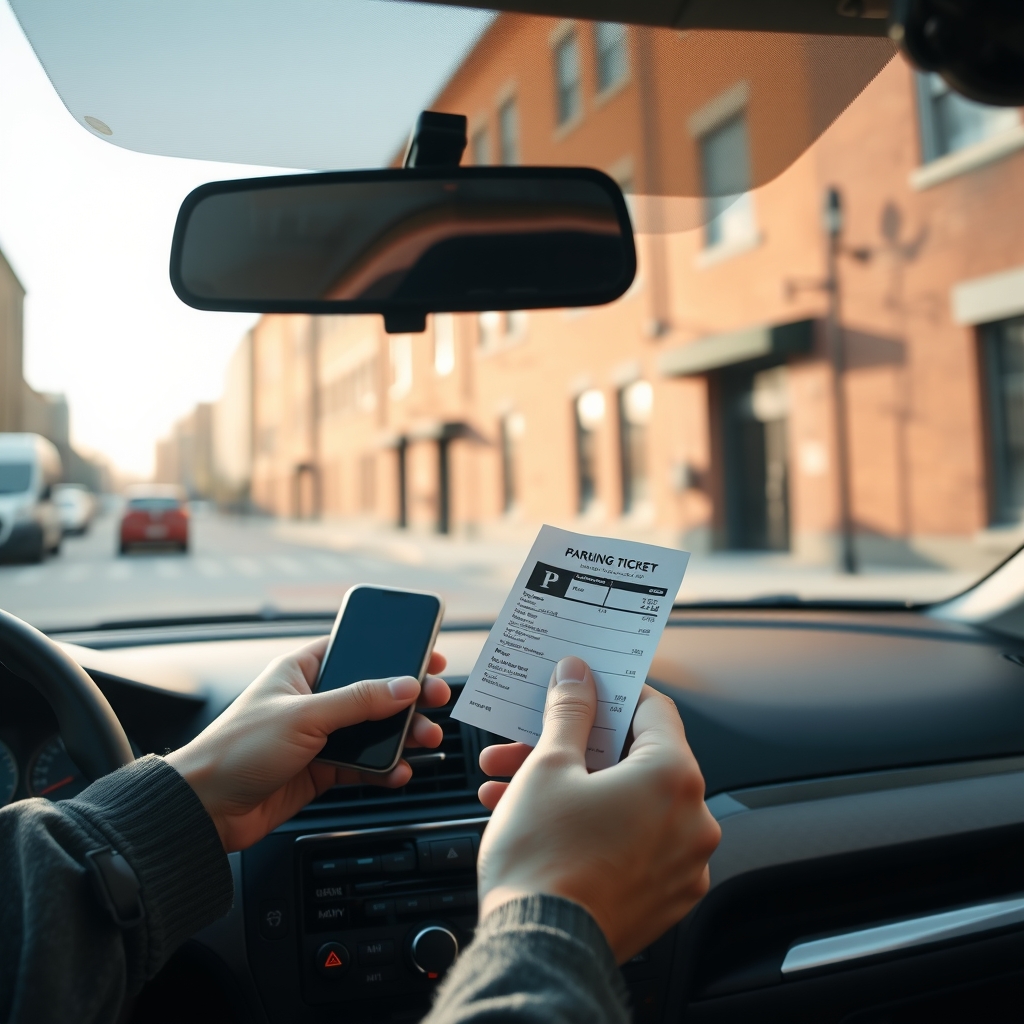
- Find the violation number. It is the 10-digit number next to the barcode on the ticket. Camera tickets use the NOL number in the top right of the Notice of Liability.
- Note the date issued. Count 30 days forward. That is your deadline, and contacting anyone other than the Department of Finance does not extend it.
- Open the dispute form. The city's Dispute a Ticket page links to the online hearing, mail instructions, and the app.
- Write the reason, not the story. State which required element of the summons is missing or wrong, or which legal defense applies.
- Upload evidence. Photos with timestamps, meter receipts, registration, a lease, a repair invoice. One clear photo beats six blurry ones.
- Submit and keep the confirmation. You get a decision by email for online and mail hearings, usually within a few weeks.
- Check status rather than assume. The parking ticket guide explains how to look up a decision and what to do if it never arrives.
Which defenses actually work?
The city publishes a list of common dispute reasons, and it also publishes a list of defenses that will not be upheld. Read the second list first. It saves you from filing a losing hearing and losing the early-payment window at the same time.
Defenses that tend to be considered on the merits:
- A required element is missing or misdescribed (wrong plate, wrong location, no date, no time).
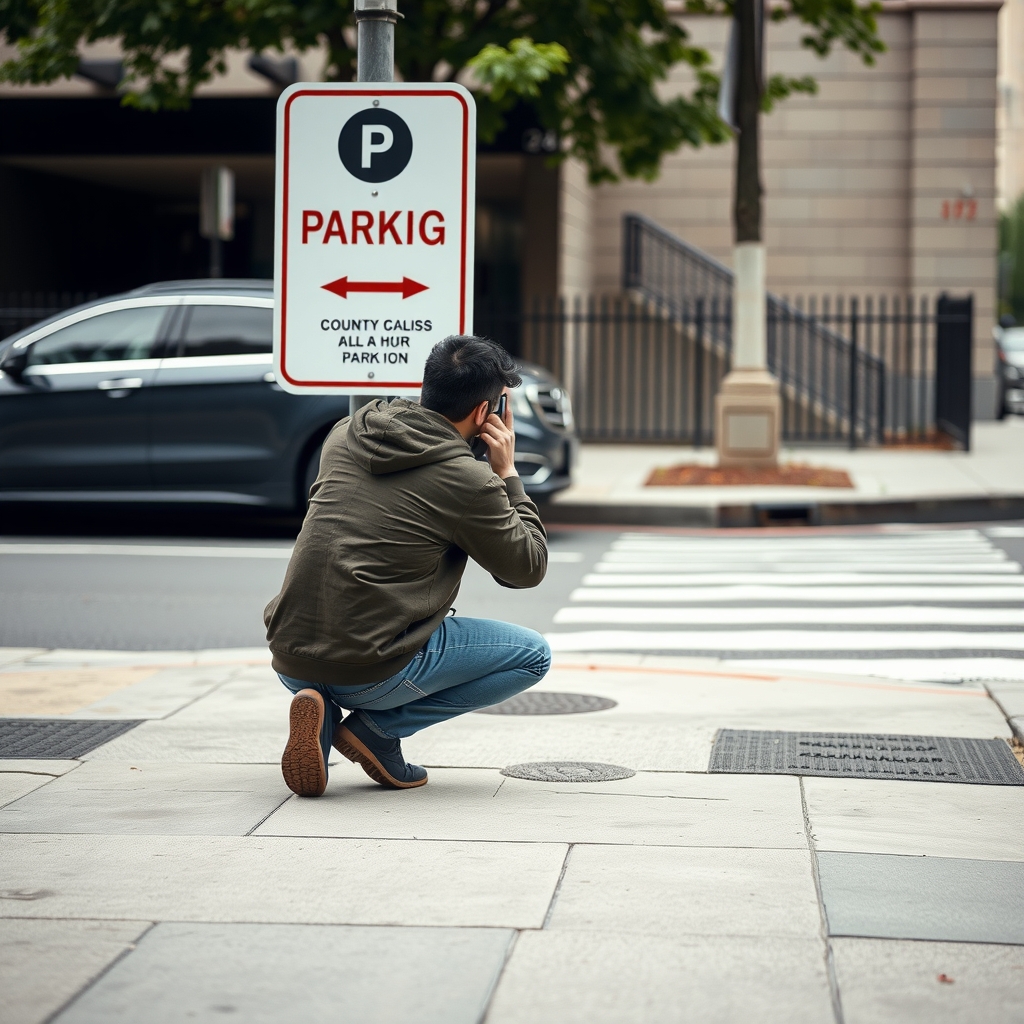
- The sign was missing, turned, or obstructed, and you have photos from that day.
- You were legally parked and can show it (receipt, permit, registration in a legal spot).
- The vehicle was sold, stolen, or not yours at the time.
Defenses that generally do not help:
- "I was only there for a minute."
- "Everyone parks there."
- "I did not see the sign."
- "I have been parking there for years."
None of that is legal advice, and no service can promise a particular outcome. The judge decides based on the record.
How much does disputing cost, and what happens if you lose?
Filing a hearing is free. The real cost is the penalty clock.
| Situation | What you owe |
|---|---|
| Paid or disputed within 30 days | The fine only |
| Ticket not paid or disputed for 30 days | Fine plus a $10 penalty |
| 60 days | Fine plus $20, plus the earlier penalty |
| 90 days | Fine plus $30, plus earlier penalties |
| Around 100 days | Ticket goes into judgment, interest applies, and the vehicle can be booted or towed |
| Dispute filed and lost | The fine plus penalties accrued before you filed |
Note the last row. Disputing does not freeze penalties that already accrued. If you are at day 74 and you file, you may still owe the $10 and $20 that were added earlier. Filing late is allowed, but if the judge finds you guilty, the late penalties stick.
Is it worth disputing, or should you just pay?
Run the numbers before you write anything. A $65 street cleaning ticket and a $115 fire hydrant ticket are not the same decision. If your defense is thin, paying inside 30 days costs the fine and nothing else. If your defense is solid (missing element, photo evidence of a missing sign), the expected value is clearly positive because filing is free.
A useful middle path: check how tickets like yours actually resolve before you invest an hour in a hearing. TicketBeat's free odds checker returns the dismissal rate for your specific violation code from the city's published adjudication data, plus a defect checklist for that code. It is free for up to three lookups a day with no account. Where the city does not publish a rate for a code, the site labels the number as an all-other-codes figure rather than passing it off as code-specific.
Those numbers are descriptive statistics, not predictions about your ticket. A 40% dismissal rate for a code means 40% of those hearings ended in dismissal, which tells you the defense has succeeded before. It does not tell you what a judge will do with your photo of a bent sign.
What should go in the written statement?
Short, factual, and structured. Three or four sentences is usually enough.
- What the ticket alleges.
- What is factually wrong or missing, with a reference to the evidence item.
- What you are asking for (dismissal).
Example: "The summons lists the location as East 14th Street, but the vehicle was parked on a side street more than a block away, shown in the timestamped photo marked Exhibit A. The sign at the cited location was also turned away from the roadway (Exhibit B). I am requesting dismissal."
Skip the paragraph about your perfect driving record. It is not a defense to a parking violation.
What if you want a letter drafted for you?
Writing this yourself is entirely reasonable, and it is free. The dispute letter option is $9.99 one time and drafts the statement around your ticket details, which is mostly useful if you want the structure and the code-specific checklist in one place instead of assembling it from the city pages. TicketBeat does not file anything on your behalf, and you submit through the city portal yourself.
Nobody should be paying a percentage of the fine for a task that takes fifteen minutes. If a service offers to file for you and take half the fine when it wins, compare that to a flat fee and your own filing, and decide what your time is worth.
What if the 30 days have already passed?
You can still request a hearing. The city accepts late requests, and the consequence is not automatic rejection, it is exposure. If you request after 30 days and the judge finds you guilty, you pay the late penalties. If you are dismissed, you do not.
Tickets in judgment are harder. Once a ticket has been in judgment for more than a year, the city says you cannot get a hearing on it. That is the point where a call to the Office of the Parking Summons Advocate is the practical move, not another online form.
The short version
File inside 30 days, even if your evidence is imperfect, because the filing is free and the penalty clock is not. Read the city's list of defenses that do not work before you write. Photograph everything on the day. And check the base rate for your violation code so you know whether you are arguing a defense that has a track record or one that does not.
This article is general information about a public process, not legal advice. For advice about your specific ticket, speak with a licensed attorney.