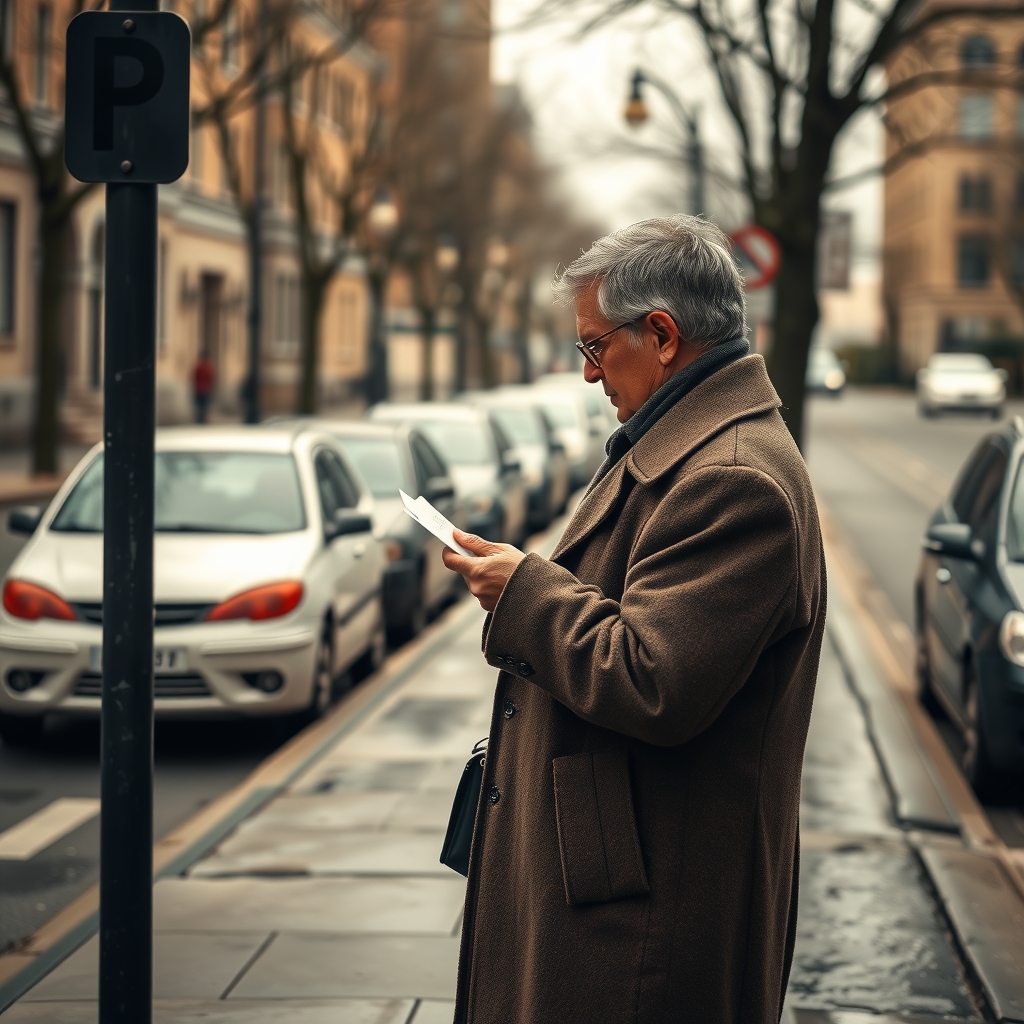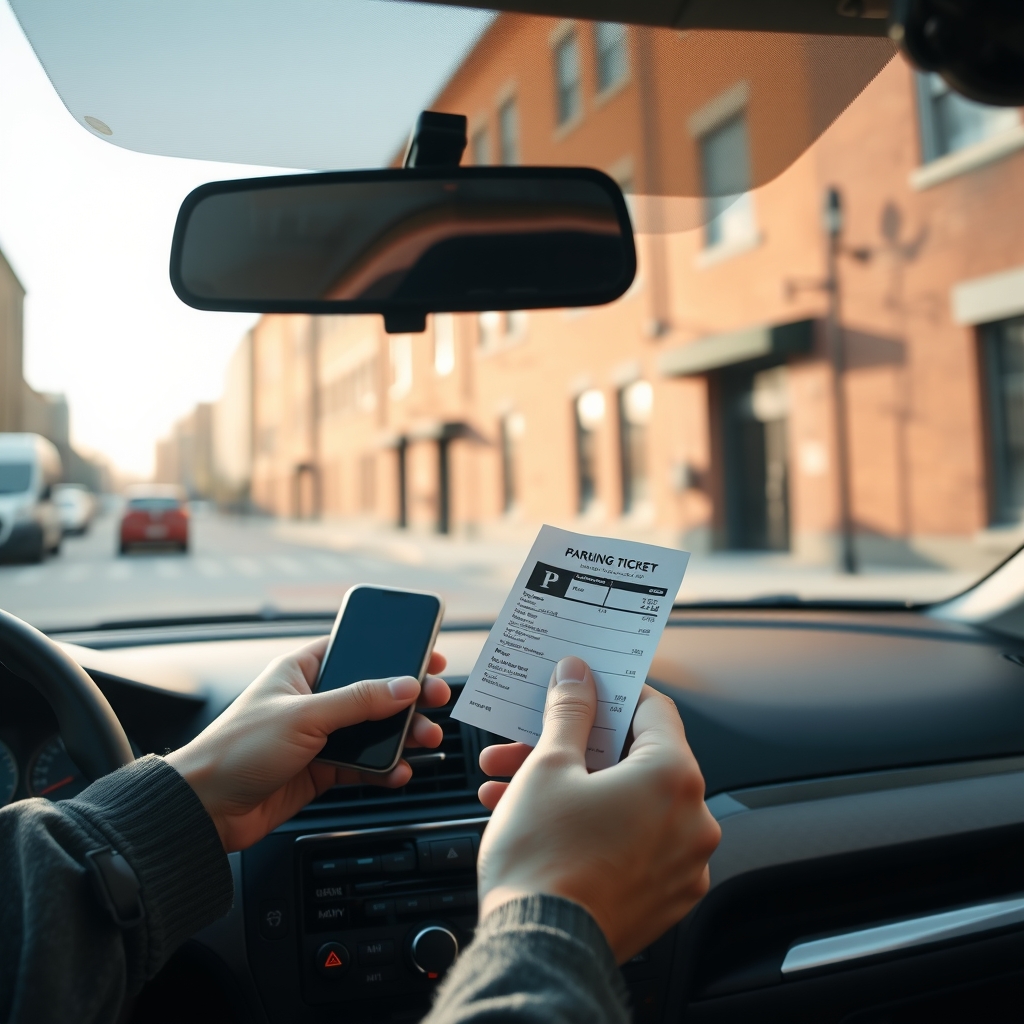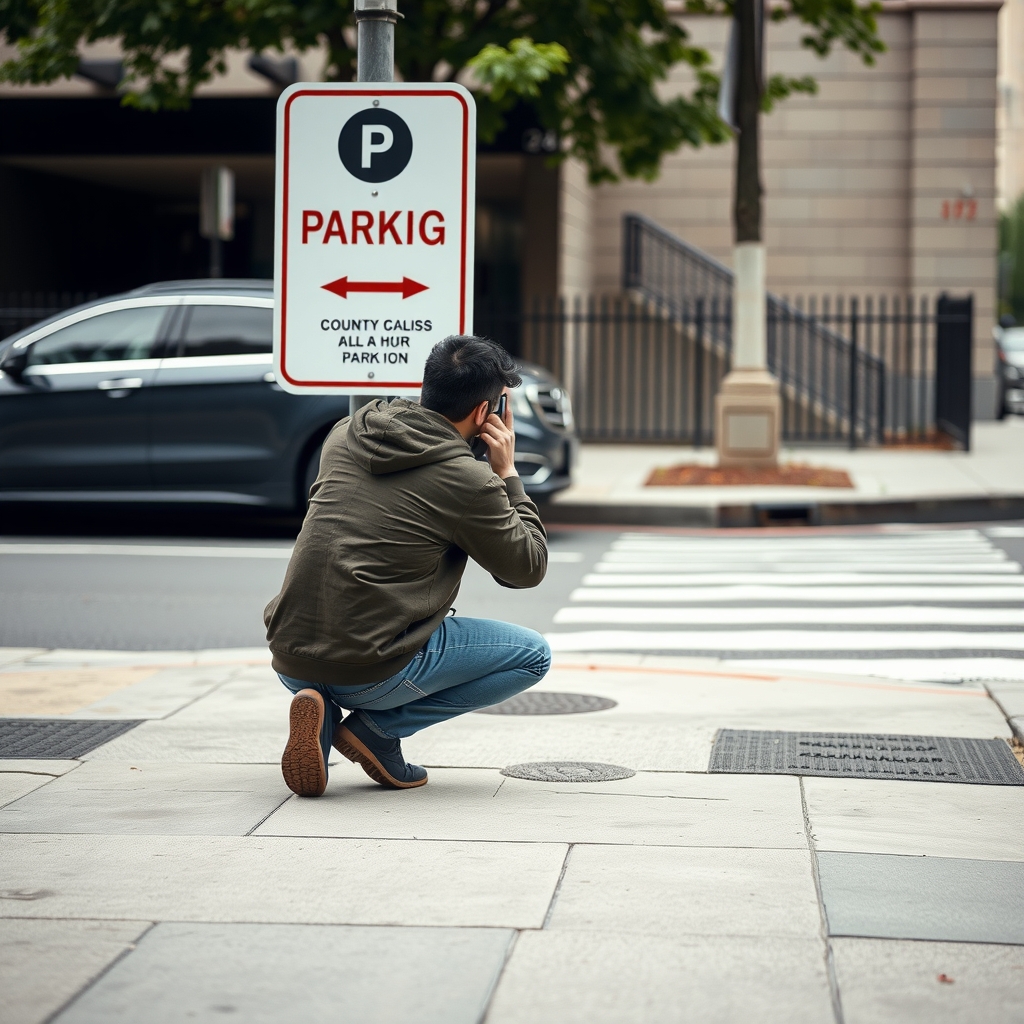
Photograph four things after an NYC parking ticket: the sign or signs that govern the spot, the curb and markings, the ticket itself, and the meter or payment receipt if one exists. Take them before you drive away, from a position that shows where the car was, and keep the original files. A dispute is decided on what the record shows, and a clear photo set is the difference between a hearing that goes your way and one that depends on memory.
Why photos matter more than the story
Parking adjudication is an evidence process. The city's case rests on the ticket, which is presumed correct. Your case rests on what you can show.
A well-photographed scene can establish facts a written statement cannot: that the sign was facing the other way, that the paint was faded, that the meter was broken, that the sign's hours had ended, or that the car was legally in a spot the officer misread.
A weak photo set, by contrast, can suggest you were guessing. Blurry close-ups, cropped signs and screenshots taken days later all weaken a claim more than they help.
The four-photo minimum
- The sign, fully readable. Get the entire sign including the arrow, the days, the hours and any bus stop or hydrant panel. If there are two signs, photograph both, plus one wide shot showing their order along the curb.
- The curb and the markings. Stand back and photograph the stretch of curb where the car sat, including any painted line, crosswalk, driveway cut or hydrant. This is what shows which sign actually applied.
- The car in context. One wide shot with the car, the curb and the sign in the same frame. This ties the car to the location.
- The ticket itself. The whole ticket, flat, in focus, with the violation code, time, location and officer's remarks legible.
Extras worth adding when relevant: a broken or covered meter with its number, a receipt or payment confirmation, a driveway apron, a construction sign, and the view from the driver's seat at the moment of parking, which shows what a reasonable person would have seen.
Timing and file handling
Take the photos at the scene, not later. Conditions change: signs get repaired, paint gets repainted, and the scene stops matching the ticket's timestamp.
Then:
- Keep the originals. Most phone photos carry time and sometimes location data, which corroborates your account.
- Do not crop the originals; make copies if you need to annotate.
- Name files so a reviewer can follow them: sign, curb-wide, car-context, ticket.
- Store them somewhere you will still have them in six weeks, because hearings are not immediate.
Matching photos to the ticket's own details
Read the ticket before deciding what your photos need to prove. The details that matter:
| Ticket detail | What your photos should show |
|---|---|
| Violation code | The condition the code describes, or its absence |
| Location | The exact address or cross street, and which sign governs it |
| Time | The clock time versus the sign's posted hours |
| Officer remarks | Whatever the officer says they saw, from your angle |
| Sign or meter condition | Legibility, damage, obstructions, missing panels |
A mismatch in any of these is worth documenting, but be honest about what the photo shows. A hearing examiner reads a lot of disputes and will notice a photo that does not support the claim attached to it.
Common evidence mistakes
- Photographing the sign from too close to read the bottom panel, where the hours usually are.
- Photographing a different sign from the one governing the spot.
- Using a screenshot of a photo, which strips the metadata and looks edited.
- Taking the photos after the car moved, so the car is not in the frame that shows the location.
- Relying on a photo of a faded sign that is, in fact, readable in the image.
Where photos fit in the dispute
In New York City, disputes go through the city's own process, by online portal, mail or in person. TicketBeat does not file on your behalf and does not promise an outcome. What it does is help you understand the odds and build the letter: you can look up a violation code for free and see dismissal odds computed from the city's published adjudication data, along with a defect checklist for that code. A dispute letter drafted around your ticket's details is $9.99 one time, and Watchdog at $6.99 per month covers dispute letters for up to three plates while you are subscribed.
The paid tool is a drafting aid, not legal advice, and the odds are descriptive statistics from published data rather than predictions about your ticket.
A five-minute routine for next time
Keep this on your phone as a checklist:
- Ticket photographed flat.
- Sign photographed whole, plus any second sign.
- Wide shot with car, curb and sign.
- Meter or receipt if relevant.
- Original files saved, nothing cropped.
Five photos, taken before you leave, is the whole habit. It costs five minutes and gives you the only thing a hearing can consider: a record.
If you already have a ticket in hand, start with your code's odds, and the step-by-step dispute guide covers the filing process.
The city's own parking adjudication information is at https://www.nyc.gov/site/finance/vehicles/disputes.page, and the rules on signs and stopping are in the NYC Traffic Rules published at https://www.nyc.gov/html/dot/.
This is general information, not legal advice.